Ressi EPO Inject LV-1 is a two-component, solvent-free, low-viscosity epoxy resin system specially formulated for the injection and filling of cracks, voids and cavities in concrete and compatible cementitious substrates. Its low mixed viscosity allows the material to penetrate into narrow cracks and difficult-to-reach voids, while its extended working time facilitates controlled injection and filling operations, particularly where sufficient time is required for the resin to flow through the crack network.
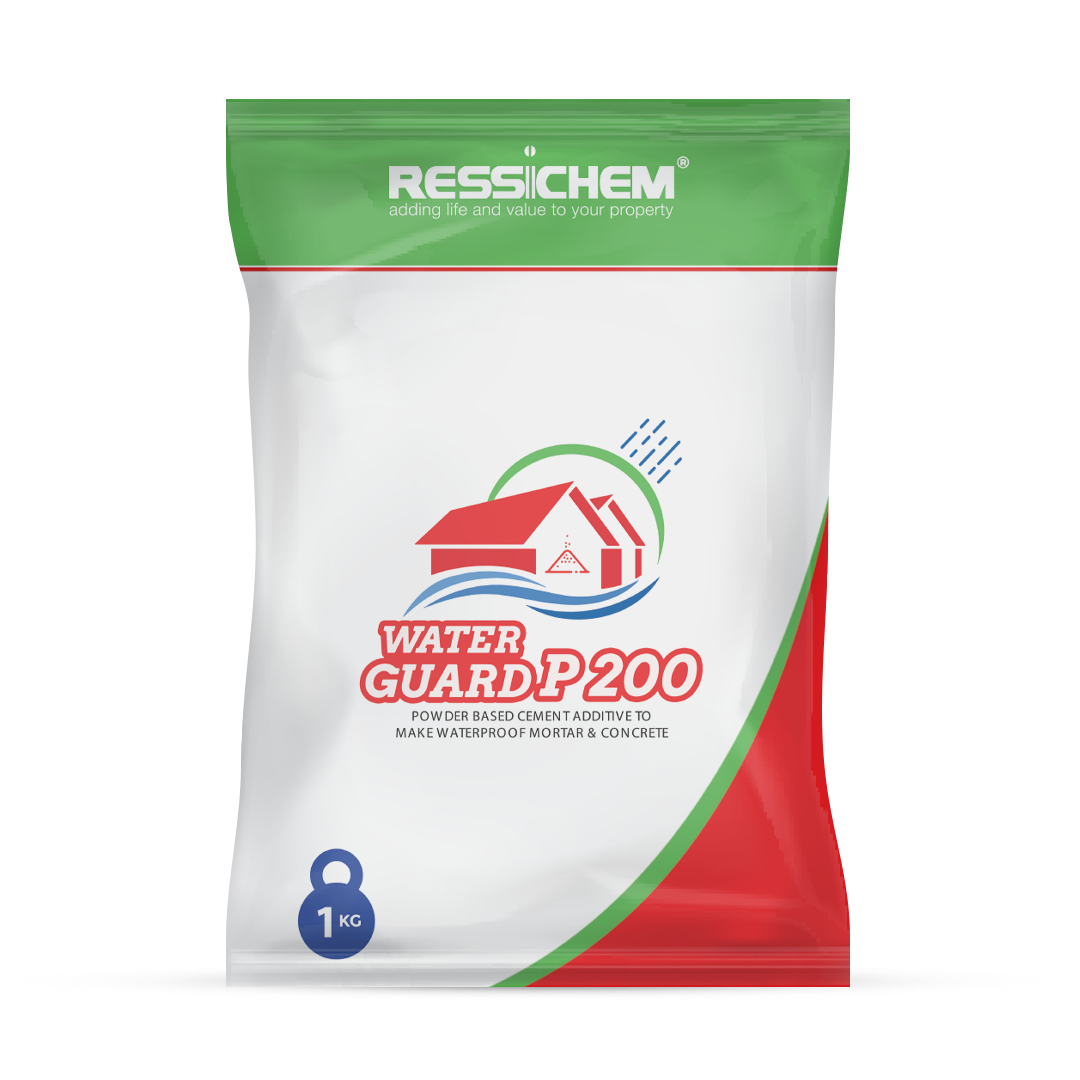
Ressi Epo Inject LV 1
Ressi EPO Inject LV-1 is a two-component, solvent-free, low-viscosity epoxy resin system specially formulated for the injection and filling of cracks, voids and cavities in concrete and compatible cementitious substrates. Its low mixed viscosity allows the material to penetrate into narrow cracks and difficult-to-reach voids, while its extended working time facilitates controlled injection and filling operations, particularly where sufficient time is required for the resin to flow through the crack network.
After curing, Ressi EPO Inject LV-1 forms a hard, high-strength epoxy matrix with excellent adhesion to suitably prepared substrates. The product may be applied using suitable crack-injection equipment or by controlled gravity feeding, depending upon the nature, width, depth and orientation of the crack or void.
All cracks, voids and areas to be treated must be properly assessed and prepared prior to application. The substrate should be sound and free from dust, loose particles, oil, grease, laitance, coatings and other contaminants that may interfere with adhesion or resin penetration. Where pressure injection is required, suitable injection ports shall be positioned along the crack at appropriate intervals. The exposed crack between the injection ports should be properly sealed using a compatible epoxy sealing material to prevent leakage of the injection resin during application. Injection ports, hoses and equipment should be clean, dry and suitable for use with epoxy resin systems. For gravity-fed applications, the crack opening should be thoroughly cleaned to permit unrestricted penetration of the resin. Standing water should not be present within the crack unless the suitability of the system for the particular substrate condition has been independently established.
Ressi EPO Inject LV-1 is supplied as a two-component system comprising Part A and Part B.
Mix Ratio – Part A : Part B = 100 : 50
Ensure that both components are accurately proportioned. Add Part B to Part A and mix thoroughly using clean and suitable mixing equipment until a completely homogeneous mixture is obtained. Mix carefully to minimize unnecessary air entrainment. Only prepare a quantity that can be applied within the available pot life. The reaction between the two components is exothermic, and the working time will reduce as the material temperature, ambient temperature, and mixed quantity increase. Do not alter the specified mixing ratio of Part A and Part B. Different Fillers and materials can be added into the mix subject to successful on-site trials. Ressichem shall not be responsible for any alteration to the actual materials supplied on site.
Pressure Injection: Install suitable injection ports along the prepared crack and seal the exposed crack surface between the ports with a compatible epoxy sealing material. Once the sealing material has sufficiently hardened, inject Ressi EPO Inject LV-1 using appropriate low-pressure or controlled-pressure injection equipment.
For vertical cracks: injection should generally commence from the lowest injection port and progress upwards. Continue injection until resin is observed at the adjacent port or until the required injection response is achieved. Close the completed port and continue progressively through the remaining ports. Injection pressure should be controlled according to the condition of the substrate, crack geometry and structural requirements. Excessive injection pressure should be avoided.
Gravity Feeding: For suitable horizontal cracks, Ressi EPO Inject LV-1 may be introduced directly into the prepared crack and allowed to penetrate under gravity. Maintain sufficient material over the crack opening during the penetration period and replenish where necessary until absorption substantially ceases.
Filling of voids and cavities: Where the product is used for filling suitable small voids or cavities, ensure that the area is properly prepared and configured to retain the resin during application. The recommended maximum casting thickness is 5 mm. Where deeper or larger sections are encountered, the proposed application should be evaluated separately before proceeding.
General Application: Do not allow mixed material to remain unnecessarily in bulk after mixing. Apply the material within the stated pot life. The viscosity and working time of the product are temperature dependent. Higher temperatures will reduce the available working time and may accelerate curing.
Cleaning:
Clean tools, mixing equipment, injection equipment and spillages using a suitable epoxy cleaning solvent immediately after application and before the material begins to harden. Once cured, Ressi EPO Inject LV-1 can generally only be removed mechanically. Appropriate personal protective equipment should be worn during cleaning operations.
|
Property |
Method |
Typical Values |
|---|---|---|
|
Appearance Part A |
Visual |
Low viscosity, clear liquid |
|
Appearance Part B |
Visual |
Low viscosity, clear liquid |
|
Mix Ratio (Part A : Part B) |
Theoretical |
100: 50 |
|
Mix Viscosity @ 25°C |
ASTM D 2196 |
500–800 cPs |
|
Mix Density |
ASTM D 1475 |
1.063 |
|
Flash Point |
ASTM D 93 |
>126°C |
|
Coverage per kg |
Practical / Approximate |
9 SFT @ 1 mm thick |
|
Recommended Maximum |
- |
5 mm |
|
Pot Life (300 g mix) @ 30°C |
- |
33 minutes |
|
Pot Life (300 g mix) @ 45°C |
- |
20 minutes |
|
Gel Time @ 35°C (1 mm thickness) |
- |
2 hours 15 minutes |
|
Hardening Time |
- |
36 hours |
|
Full Cure |
- |
7 days |
|
Flexural Strength |
ASTM D 790 |
46.1 MPa |
|
Compressive Strength |
ASTM D 695 |
78.3 MPa |
*Typical results under laboratory conditions
The stated coverage is an approximate practical guideline based on typical site conditions. Actual consumption may vary depending upon surface profile, substrate irregularities, crack width and depth, porosity, application method and material losses during injection. The above values are typical results obtained under controlled conditions and may vary depending upon testing conditions, temperature, batch and actual site conditions.
Store Ressi EPO Inject LV-1 in its original, unopened, and properly sealed containers in a cool, dry and covered location, protected from direct sunlight, excessive heat, moisture and sources of ignition. The product should be stored under the recommended storage conditions stated on the packaging. Where material has been exposed to unusually high or low temperatures during storage or transportation, allow the components to return to an appropriate application temperature before mixing.
one year From Date of Manufacturing as per the label stored in dry and cool storage conditions. The packaging should be remained undamaged and sealed.
Ressi EPO Inject LV-1 contains reactive epoxy components. Avoid direct contact with skin and eyes and avoid unnecessary inhalation of vapors or mist generated during application. Suitable protective gloves, safety glasses and protective clothing should be worn during mixing and application. Ensure adequate ventilation, particularly when working in confined spaces. In case of contact with the eyes, rinse immediately with plenty of clean water and seek medical attention. In case of skin contact, remove contaminated material and wash thoroughly with soap and water. Do not use solvents to remove epoxy material from the skin. Refer to the relevant Material Safety Data Sheet (MSDS) for detailed health, safety, handling, and disposal information.
Ressi EPO Inject LV-1 is Supplied in the following Packaging
1.5 KG Sets
Part A – 1 KG
Part B – 500g
15 KG Sets
Part A – 10 KG
Part B – 05 KG
The information and recommendations contained in this Technical Data Sheet are based on Ressichems current knowledge, laboratory testing and practical experience under controlled conditions. Actual site conditions, substrate characteristics, crack configuration, temperature, application equipment and workmanship may influence the performance, penetration, and consumption of the product.
The stated coverage figures are approximate practical guidelines and take into consideration typical site conditions where surfaces may not be completely smooth or uniform. Actual consumption may therefore vary according to surface profile, substrate irregularities, crack dimensions, porosity, application method and material losses.
The user is responsible for determining the suitability of Ressi EPO Inject LV-1 for the intended application and for ensuring that the substrate and application conditions are appropriate.
Structural cracks, active cracks and cracks resulting from continuing movement or structural distress should be evaluated by a suitably qualified professional prior to treatment. Application of an epoxy injection system does not, by itself, constitute an engineering assessment or correction of the underlying cause of cracking.
Ressichems responsibility is limited to the quality of the material supplied in accordance with its published specifications. Ressichem shall not be responsible for failures arising from improper substrate preparation, incorrect mixing, unsuitable application, structural movement, water ingress, workmanship, environmental conditions or other circumstances beyond its control.