
Decorative plaster has become one of the most popular wall finishing choices in modern architecture and interior design. From luxury homes and boutique hotels to offices and commercial spaces, decorative plaster offers a unique blend of aesthetics, durability, and timeless appeal. Unlike ordinary paint, it adds depth, texture, and character to walls, transforming simple surfaces into design statements.
This article provides a clear and complete overview of the different types of decorative plaster, including Venetian plaster, textured plaster, lime plaster, and other commonly used finishes. The goal is to help homeowners, designers, and contractors understand their options and choose the right plaster based on style, performance, and environment, while keeping the content natural and aligned with Google Helpful Content guidelines.
Understanding Decorative Plaster
Decorative plaster refers to wall and ceiling finishes that go beyond basic smooth plastering. These finishes are designed to enhance visual appeal while also offering functional benefits such as breathability, moisture regulation, and surface strength.
Traditionally used in classical architecture, decorative plaster has evolved into a modern design solution that suits both contemporary and traditional spaces. Today, it is available in various textures, finishes, and compositions to meet different aesthetic and practical needs.
Venetian Plaster
Venetian plaster is one of the most elegant and premium decorative plaster types. Originating from Italy, it is made using finely ground marble and lime based binders.
Key Characteristics
Venetian plaster is known for its smooth, polished finish that creates a marble like appearance. It reflects light beautifully, giving walls a sense of depth and luxury. Depending on the application technique, it can range from high gloss to soft satin finishes.
Where It Is Used
Venetian plaster is commonly used in living rooms, feature walls, hotel lobbies, upscale retail spaces, and luxury residences. It works best in areas where visual impact is a priority.
Pros and Considerations
It is durable, mold resistant, and visually striking. However, it requires skilled application and is generally more expensive than basic decorative finishes.
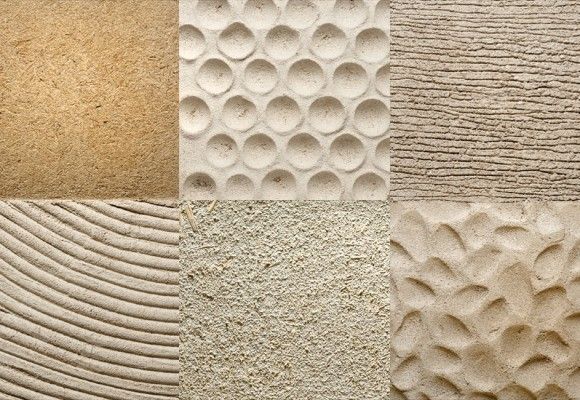
Textured plaster focuses on adding depth and tactile interest to walls. Unlike smooth finishes, it creates patterns and reliefs that enhance character.
Popular textures include sand texture, swirl patterns, knockdown finishes, and custom artistic designs. Each style offers a different visual effect and can be adjusted based on design preferences.
Textured plaster is widely used in accent walls, staircases, corridors, commercial interiors, and exterior facades. It is especially useful for covering minor surface imperfections.
Textured finishes are durable, low maintenance, and less prone to showing scratches or marks. Products like Ressi PlastoRend 110 are often selected for achieving consistent texture and long lasting surface strength in decorative plaster applications.
Textured Plaster
Common Texture Styles
Ideal Applications
Performance Benefits
Lime Plaster
Lime plaster is one of the oldest and most breathable plaster types still in use today. It is valued for its natural composition and environmental benefits.
Why Lime Plaster Stands Out
Lime plaster allows walls to breathe, helping regulate indoor humidity. This makes it ideal for older buildings and spaces where moisture control is important. Over time, lime plaster continues to harden, increasing its durability.
Visual Appeal
The finish is usually soft and matte with subtle tonal variations. This natural look is popular in Mediterranean, rustic, and minimalist designs.
Sustainability Factor
Because lime plaster is made from natural materials, it is considered an eco friendly choice. Many designers choose finishes supported by materials such as Ressi PlastoRend 100 when aiming for breathable and natural decorative surfaces.
Cement-Based Decorative Plaster
Cement-based decorative plaster is known for its strength and versatility. It is often used in modern and industrial style interiors.
Design and Texture
This type of plaster can be applied smooth or textured, depending on the desired look. It pairs well with contemporary architecture and minimalist designs.
Interior and Exterior Use
Cement based decorative plaster is suitable for both indoor and outdoor applications. It performs well in high traffic areas due to its durability and resistance to impact.
Practical Advantage
It is cost effective compared to Venetian plaster and easier to maintain. For projects that require a balance between aesthetics and strength, solutions such as Ressi PlastoRend 120 L are commonly considered.
Clay and Natural Decorative Plaster
Clay based plaster is another natural option gaining popularity in modern interiors.
Aesthetic Qualities
Clay plaster offers warm, earthy tones and a soft textured finish. It creates a calming atmosphere and works well in bedrooms, wellness spaces, and eco friendly homes.
Functional Benefits
It improves indoor air quality by absorbing excess moisture and releasing it when the air becomes dry. However, it is less water resistant than cement or lime plaster.
Exterior Decorative Plaster Finishes
Decorative plaster is not limited to interiors. Exterior decorative plaster is used to enhance building facades while protecting them from weather elements.
Weather Resistance
Exterior plasters are designed to withstand sunlight, rain, and temperature changes. Texture also helps hide dust and minor wear over time.
Common Uses
They are widely used in residential elevations, boundary walls, commercial buildings, and architectural features. Materials like Ressi PlastoRend 120 are often used where exterior durability and decorative appeal are both required.
How to Choose the Right Decorative Plaster
Choosing the right decorative plaster depends on several factors. The location of application, desired aesthetic, budget, and maintenance expectations all play an important role.
For luxury interiors, Venetian plaster is often the first choice. For breathable and natural finishes, lime or clay plaster works well. Textured plaster is ideal for adding character and covering surface imperfections, while cement based plaster offers strength and versatility for modern spaces.
Consulting a professional applicator is always recommended, as the final result depends heavily on surface preparation and application technique.
Maintenance and Longevity
Decorative plaster is generally low maintenance when applied correctly. Smooth finishes may require gentle cleaning, while textured surfaces are more forgiving in high traffic areas. Sealing certain finishes can further enhance durability and stain resistance.
When quality materials and proper techniques are used, decorative plaster can last for many years without losing its visual appeal.
FAQs
Q1: What is decorative plaster used for?
Decorative plaster is used to enhance walls and ceilings by adding texture, depth, and visual character beyond regular paint finishes.
Q2:Is Venetian plaster better than textured plaster?
Venetian plaster offers a smooth, polished look, while textured plaster focuses on depth and pattern. The better option depends on design preference and application area.
Q3: Can decorative plaster be used in bathrooms?
Yes, certain types such as cement based or properly sealed lime plaster can be used in bathrooms, provided moisture protection is ensured.
Q4: How long does decorative plaster last?
With proper application and maintenance, decorative plaster can last decades without major repairs.
Q5: Is decorative plaster eco friendly?
Natural options like lime and clay plaster are considered environmentally friendly due to their breathable and natural composition.
Final Thoughts
Decorative plaster offers endless design possibilities, from the refined elegance of Venetian plaster to the bold character of textured and cement based finishes. Understanding the different types helps homeowners and professionals make informed decisions that balance beauty, durability, and function
Just like selecting the right materials is essential in construction, choosing high quality decorative plaster solutions ensures long term performance and visual impact. With options ranging from traditional lime finishes to modern textured systems, decorative plaster continues to be a timeless and versatile choice for interior and exterior design.