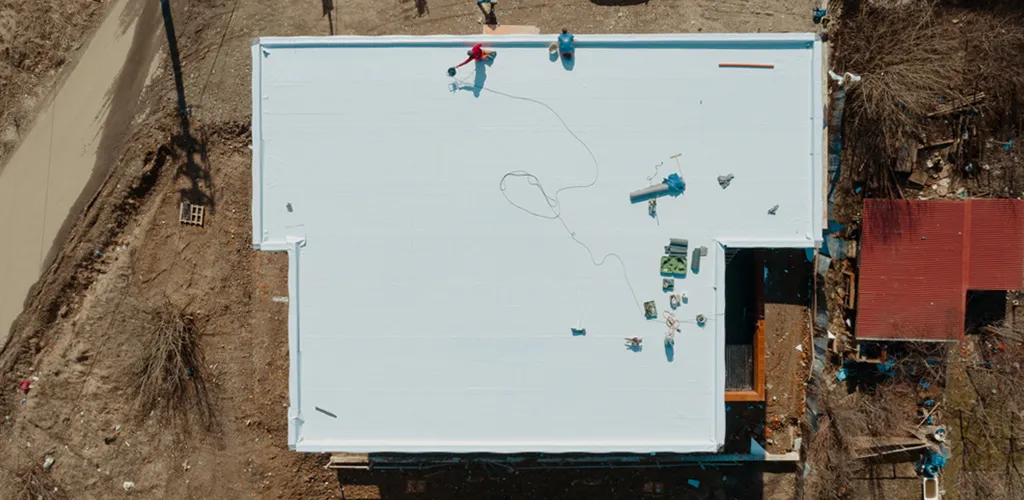
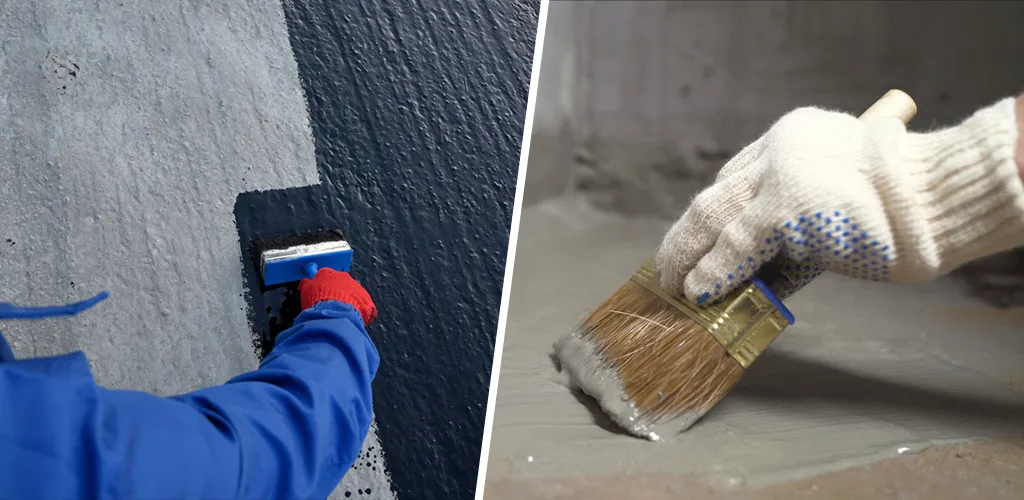
When constructing a home or commercial building in Pakistan, protection against water damage should never be overlooked. One of the most effective ways to ensure long-term durability is roof waterproofing. It plays a crucial role in maintaining structural strength, especially in regions exposed to heavy rains, humidity, and seasonal flooding.
Without proper protection, water infiltration can weaken concrete, damage interiors, and create serious health risks for occupants.
Why Waterproofing Matters in Pakistan
Pakistan’s climate, particularly during the monsoon season, increases the risk of water seepage in roofs, walls, and foundations. Poor construction practices or lack of proper sealing can lead to:
- Damp ceilings and walls
- Mold and mildew growth
- Structural weakening
- Costly repairs over time
Applying waterproofing solutions during construction ensures your building remains protected from these issues right from the start.
Understanding Waterproofing: Protecting Your Structure from Water Damage
Waterproofing is a vital construction process that makes a structure resistant to water penetration. It prevents moisture from entering walls, roofs, and foundations, ensuring indoor spaces remain dry, safe, and structurally sound.
This process becomes especially important in areas exposed to:
- High groundwater levels
- Heavy rainfall
- Flood risks
By effectively controlling moisture, waterproofing not only protects the building structure but also helps preserve furniture, interior finishes, and overall indoor air quality.
Common Types of Waterproofing Methods
1. Cementitious Waterproofing
A simple and cost-effective solution commonly used in bathrooms, kitchens, and internal wet areas. Easy to apply and widely available.
2. Liquid Membrane Waterproofing
A flexible coating applied using rollers or sprays. It forms a seamless protective layer and offers high durability and elasticity.
3. Bituminous Coating
Made from asphalt-based materials, this coating provides strong protection for concrete foundations and underground structures.
4. Bituminous Membrane
Ideal for low-slope roofs, this method uses layers of modified bitumen for long-lasting water resistance.
5. Polyurethane Liquid Membrane
A premium option used on flat roofs and exposed surfaces. It offers excellent flexibility but requires precise application conditions.
What is Roof Protection Treatment?
This method involves applying a protective layer over the roof to prevent water from entering the building. It helps avoid leaks, structural damage, and interior deterioration.
- Water stains on ceilings or walls
- Persistent dampness
- Mold growth on surfaces
- Cracks in the roof structure
Key Benefits of Roof Waterproofing
1. Improves Structural Durability
2. Reduces Maintenance Costs
3. Enhances Energy Efficiency
4. Protects Health
5. Preserves Interiors
Applications in Construction
Waterproofing is used in multiple areas of a building, including:
- Roofs and terraces
- Basements and foundations
- Balconies and wet areas
- External walls
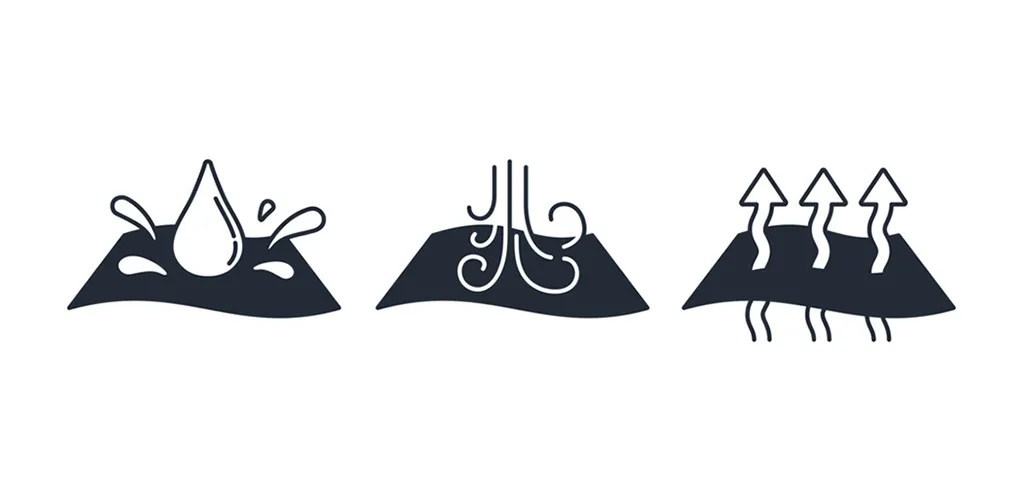
These applications create a strong building envelope that prevents water intrusion while allowing moisture to escape.
Final Thoughts
Investing in roof waterproofing during construction is not just an option—it’s a necessity in Pakistan’s climate. It protects your property, reduces long-term costs, and ensures a safe living or working environment.
Choosing the right materials and experienced professionals will ensure long-lasting performance and peace of mind.
FAQs
1. Why is waterproofing important during the construction phase instead of after completion?
Applying waterproofing during construction ensures complete sealing of the structure before exposure to weather conditions. It prevents early-stage damage, reduces future repair costs, and improves overall building durability.
2. Which waterproofing method is best for roofs in Pakistan’s climate?
The best method depends on the roof type and exposure. Liquid membranes and bituminous membranes are commonly preferred for roofs due to their flexibility and strong resistance against heavy rainfall and heat.
3. Does waterproofing help prevent structural cracks?
Yes, it minimizes water penetration that can weaken concrete and steel. Reducing moisture exposure, it helps prevent cracks, corrosion, and long-term structural damage.
4. How does waterproofing protect against mold and mildew?
Waterproofing blocks moisture entry, which is the main cause of mold growth. Keeping surfaces dry, it helps maintain better indoor air quality and protects occupants from health issues.
5. Can waterproofing be applied to both residential and commercial buildings?
Yes, waterproofing is essential for all types of structures, including homes, offices, and industrial buildings. It ensures long-term protection regardless of the building size or usage.